
Braille Signage Printing
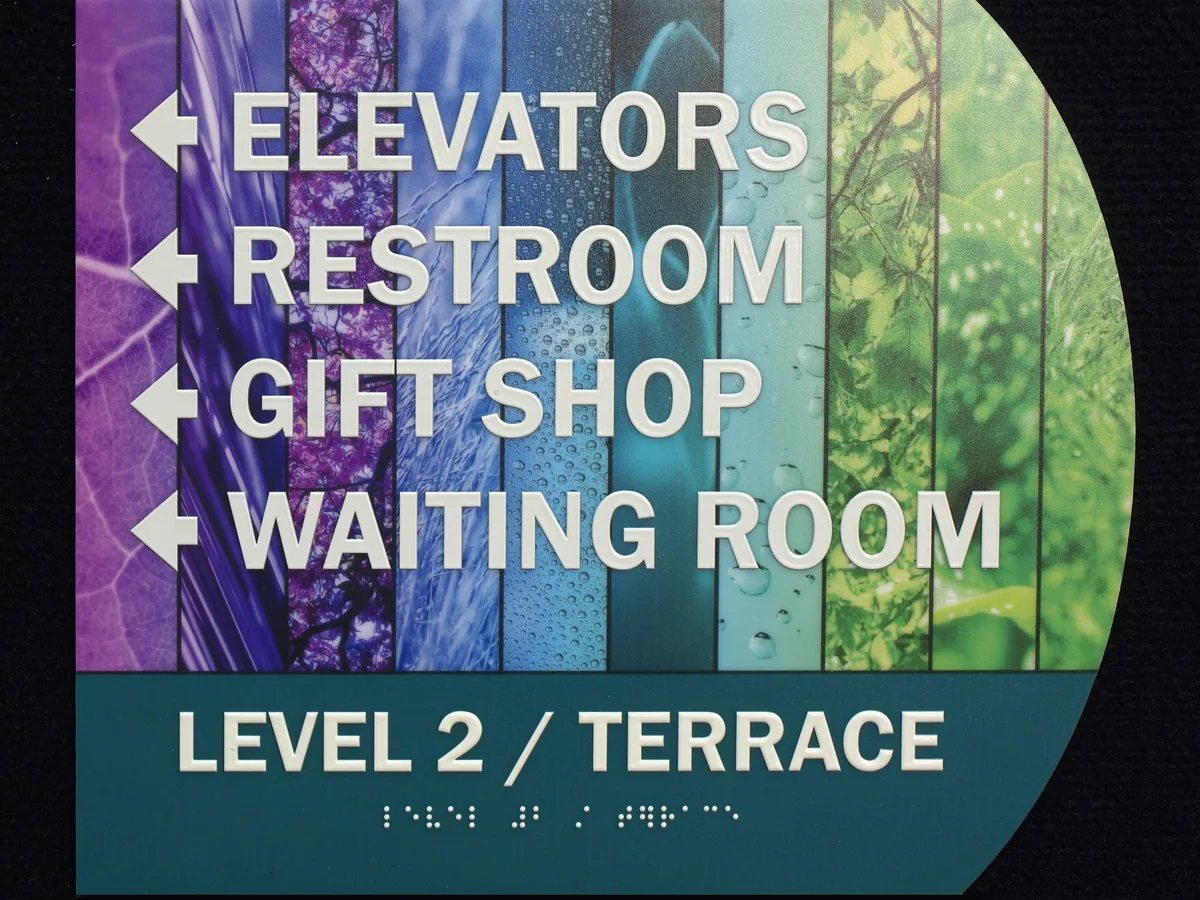
Produce tactile room, door and wayfinding signs with raised lettering, pictograms and Braille dots printed directly in UV ink. The tactile elements and full-colour graphics are printed in the same job, so there’s no routing, engraving or inserting Braille beads.
Braille signage at Sign to Badge Solutions is produced on Direct Color Systems UV LED printers, using DCS’s patented UV printing process and Braille software.
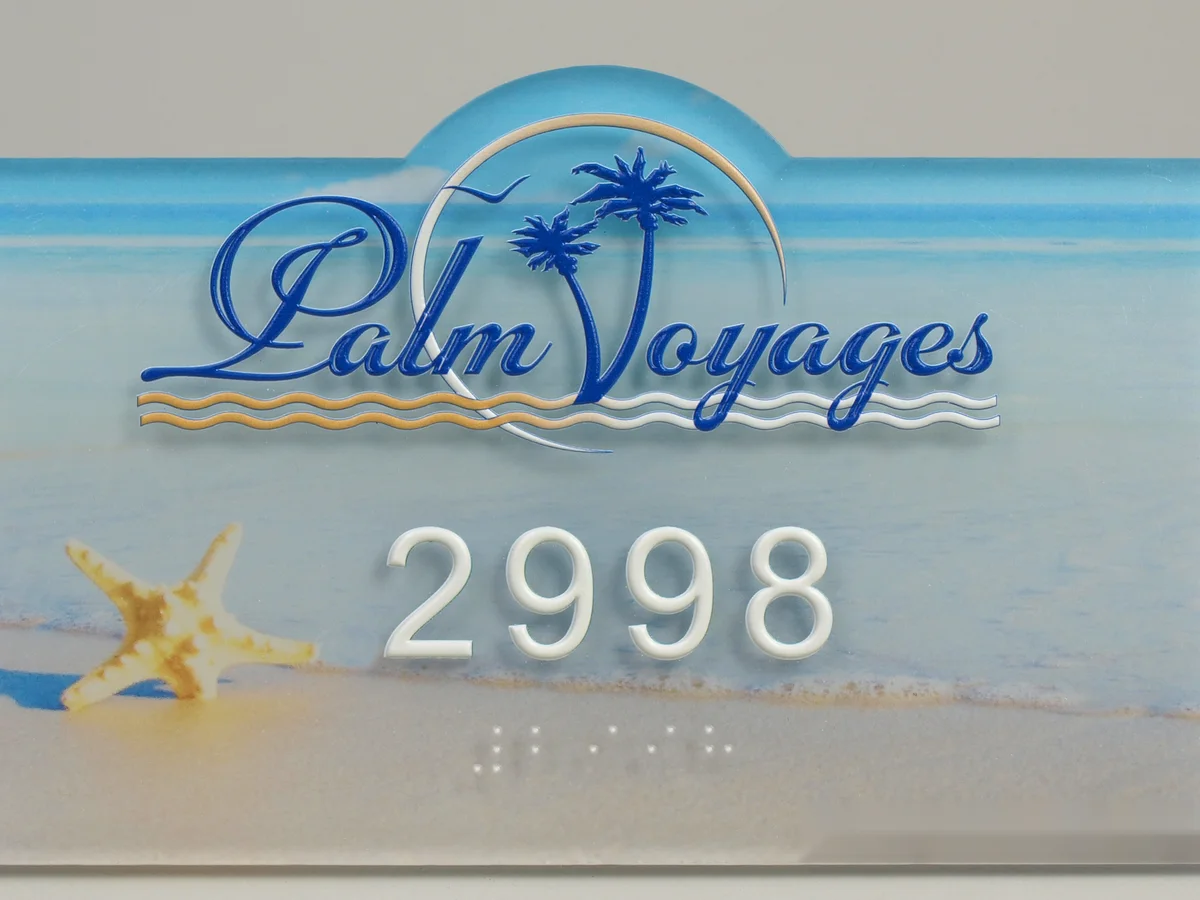
What you can print
Typical jobs our customers produce with UV LED printers.
1Braille dots printed in ink
Domed Braille dots are built up from layers of UV ink and cured as they print, rather than drilled and fitted with beads.
2Raised tactile lettering
Raised characters and pictograms are printed from your artwork, with smooth, rounded profiles.
3Full-colour backgrounds
Print brand colours, photos and high-contrast backgrounds in the same job as the tactile layers.
4Face or reverse printing
On clear acrylic, print graphics on the face or on the reverse, behind the raised elements, for depth and protection.
5Room, door and wayfinding signs
Accessible toilet and facility signs, room numbers, level signs, exit and directional signs.
6A shorter workflow
No routing, engraving, masking or bead insertion, so there are fewer steps and less handling, and one-off or replacement signs turn around quickly.
How it works
Set up the sign
Lay out text, pictograms and Braille in the DCS software, which builds the raised text and Braille layers from your artwork.
The printer builds up the tactile layers and Braille dots and prints the colour graphics, curing each pass with UV LED light.
Check and install
Check the finished sign against your project specification, then mount it at the required height and position.
Designed for Australian tactile signage requirements
Braille and tactile signs in Australian buildings are covered by AS 1428.1 and the National Construction Code (NCC Specification 15). The DCS workflow is designed to help you produce signage that meets requirements such as:
- Grade 1 (uncontracted) Braille, raised and domed, placed below the tactile text
- Raised tactile characters with rounded edges, in a plain sans-serif typeface
- Matt or low-sheen finishes, with strong luminance contrast between characters and background
- Pictograms such as the international symbol of access
Compliance depends on the final design, materials and installation. Confirm each sign against the current standard and your project’s specification or certifier.
Examples
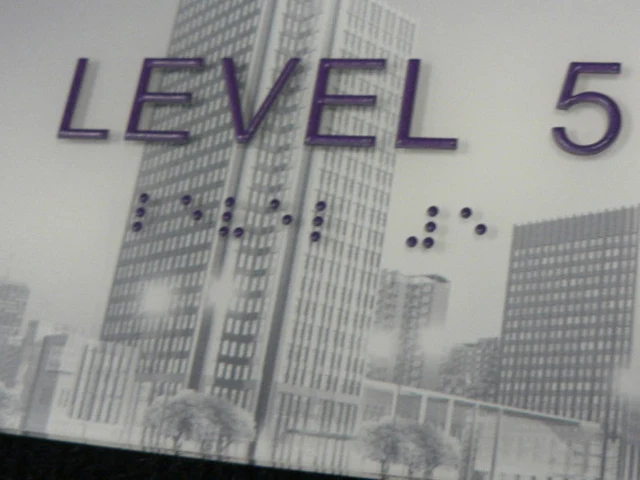
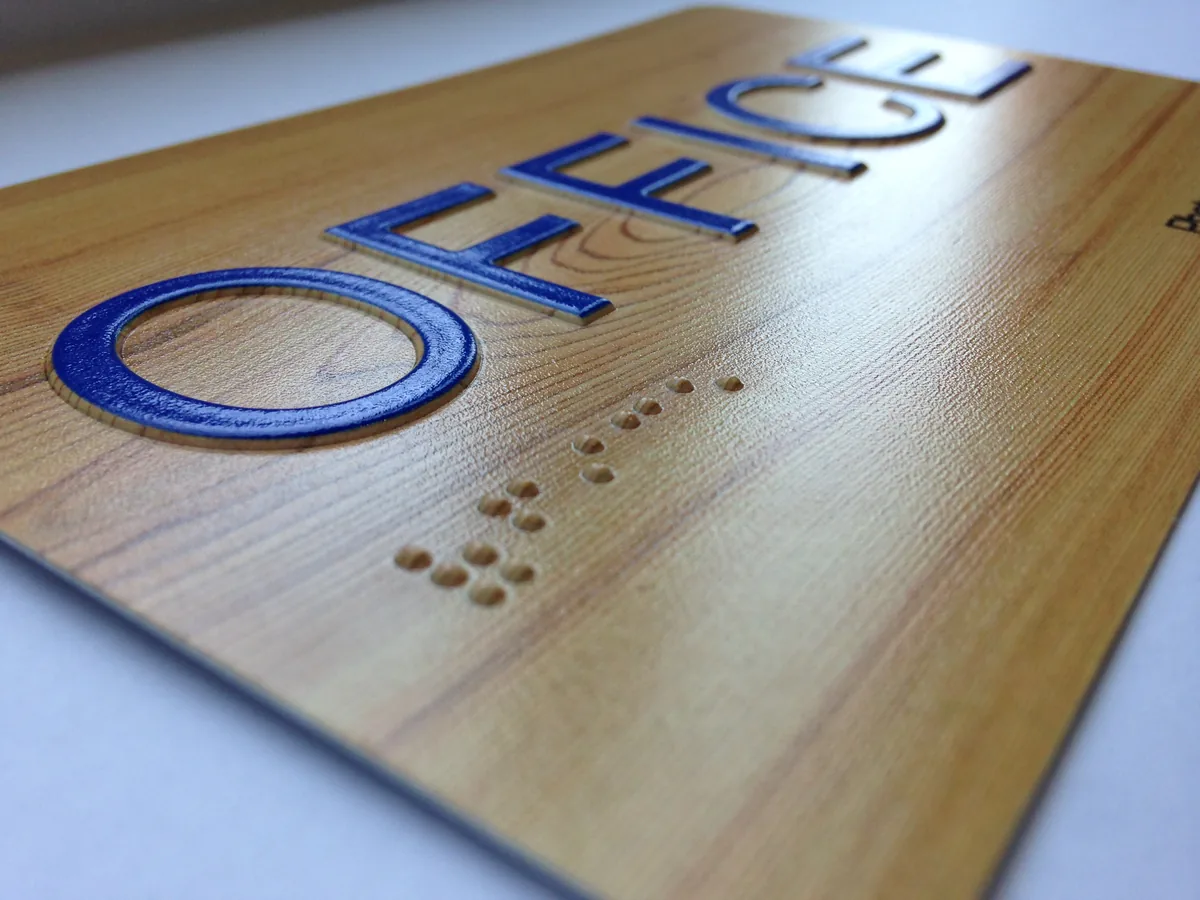
DCS UV LED printers for Braille signage
Braille signage is produced on Direct Color Systems UV LED printers only. Choose a model to suit your sign sizes and volume, from small-format to wide-format.
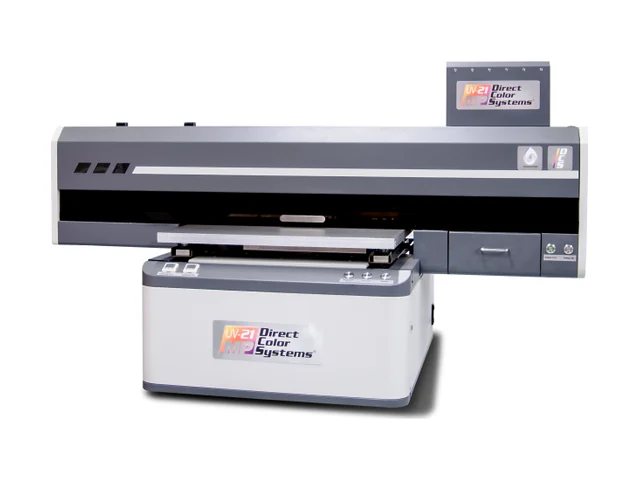

DCS UV-21MP
Small-format flatbed: 44 × 61 cm bed, items up to 18 cm (7″) high, Braille and textured printing, optional rotary for 35–150 mm diameters.
View product - DCS UV-21MP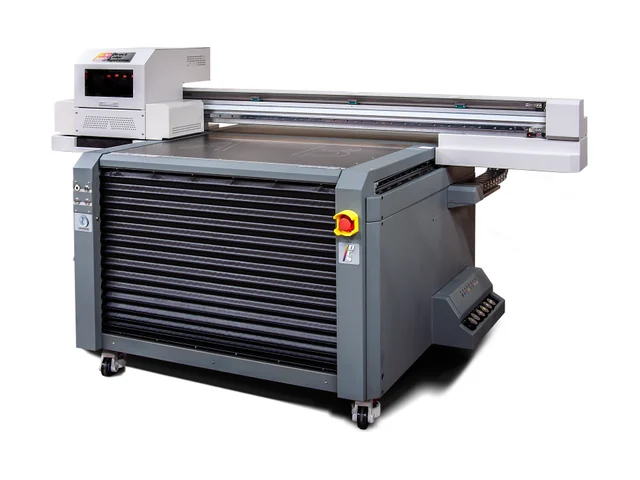
DCS UV-32MP
Intermediate flatbed: 60 × 90 cm bed, items up to 30 cm (12″) high, Braille and textured printing, optional rotary.
View product - DCS UV-32MP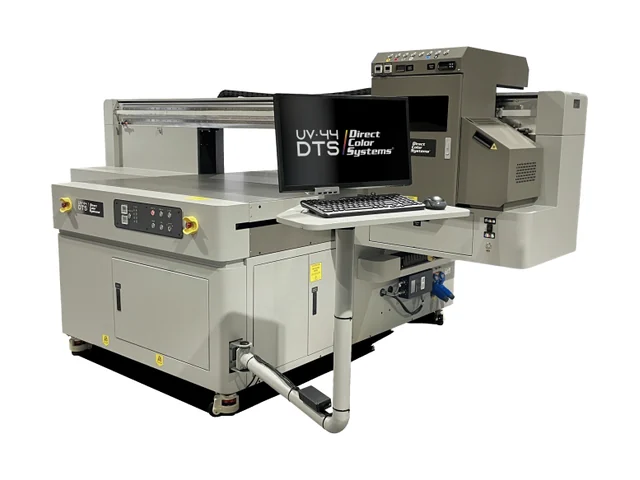
DCS UV-44DTS
Medium-format flatbed: 130 × 130 cm bed, items up to 30 cm high, white and clear, Braille and textured printing.
View product - DCS UV-44DTS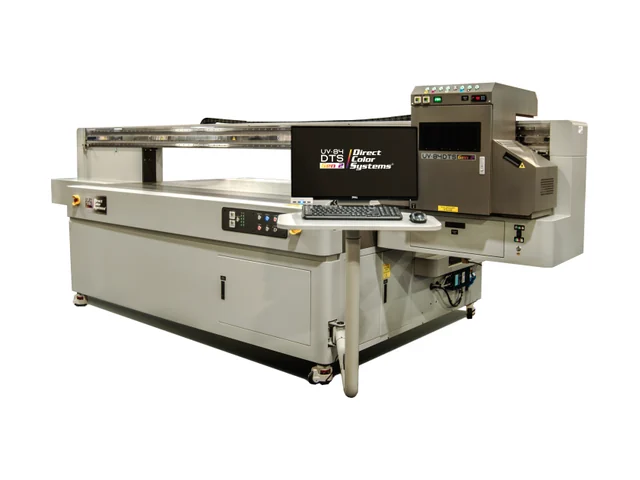
DCS UV-84DTS Gen2
Wide-format flatbed: 120 × 243 cm bed for full sheets and large signs, with Braille and textured printing.
View product - DCS UV-84DTS Gen2Common materials for Braille signage
- Cast acrylic
- ABS
- Aluminium composite panel
- Engravable plastics
- Coated aluminium
DCS recommends an adhesion promoter on cast acrylic. Other substrates can be used but should be tested for adhesion and compliance first. Send us a sample and we’ll help you work out the right process.
Related solutions
Other ways to produce work with the printers and finishing systems we supply.
Solution
Awards and Plaques
Acrylic awards, plaques, trophy plates and medal inserts, personalised in full colour, white and gloss.
View solution - Awards and PlaquesSolution
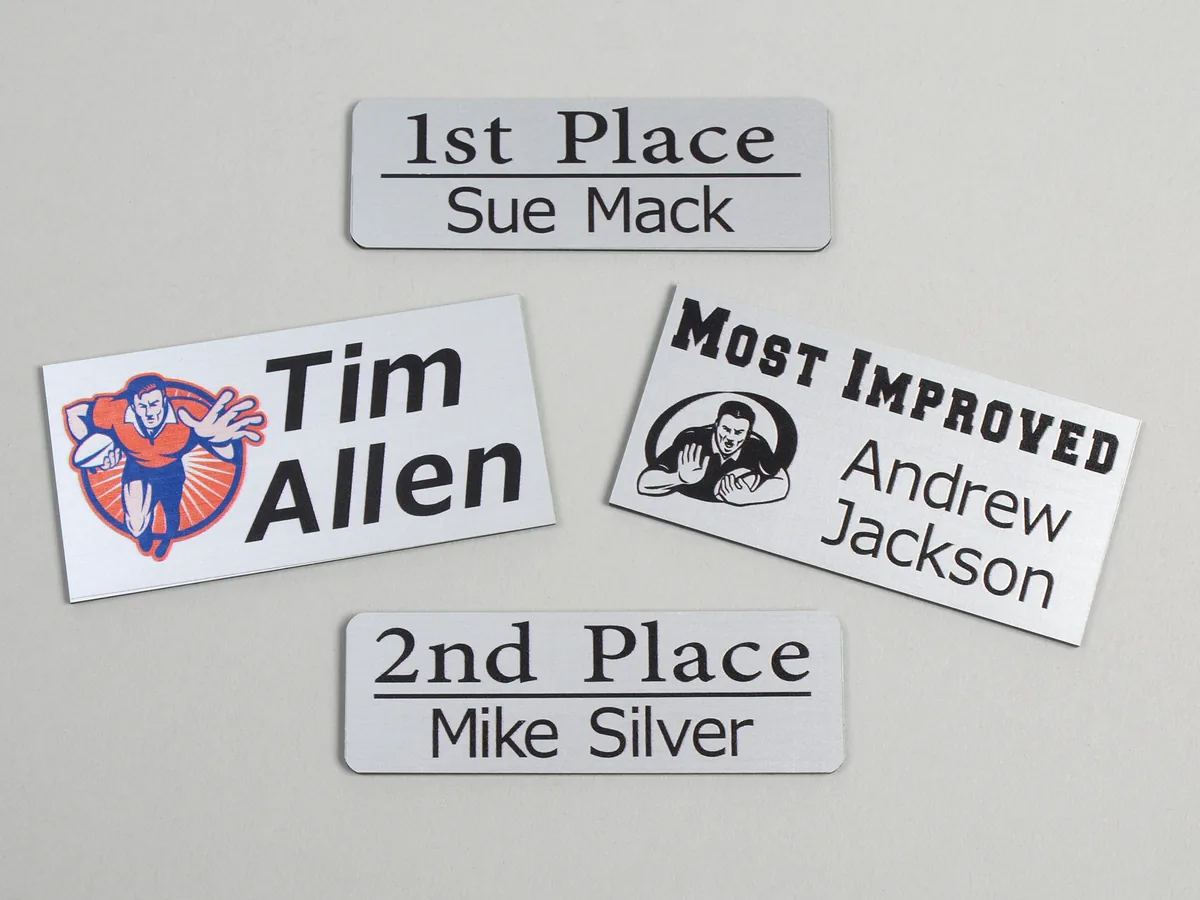
Badges
Name, staff, ID, event and membership badges printed in full colour straight onto blanks, one-off or in batches.
View solution - BadgesSolution
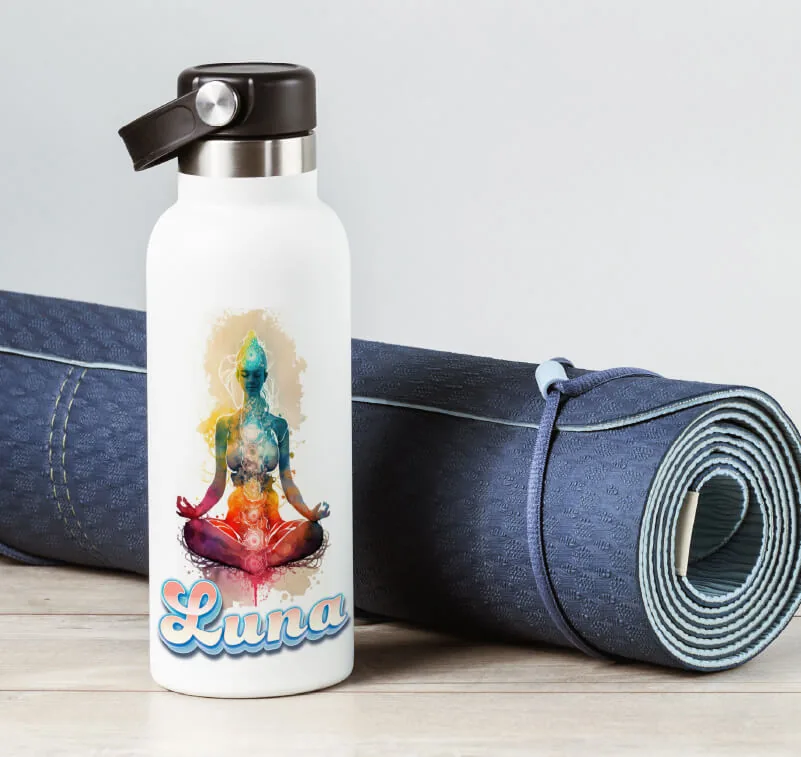
Bottles and Drinkware
Drink bottles, tumblers, glassware and cosmetic containers printed with 360° graphics.
View solution - Bottles and DrinkwareSolution
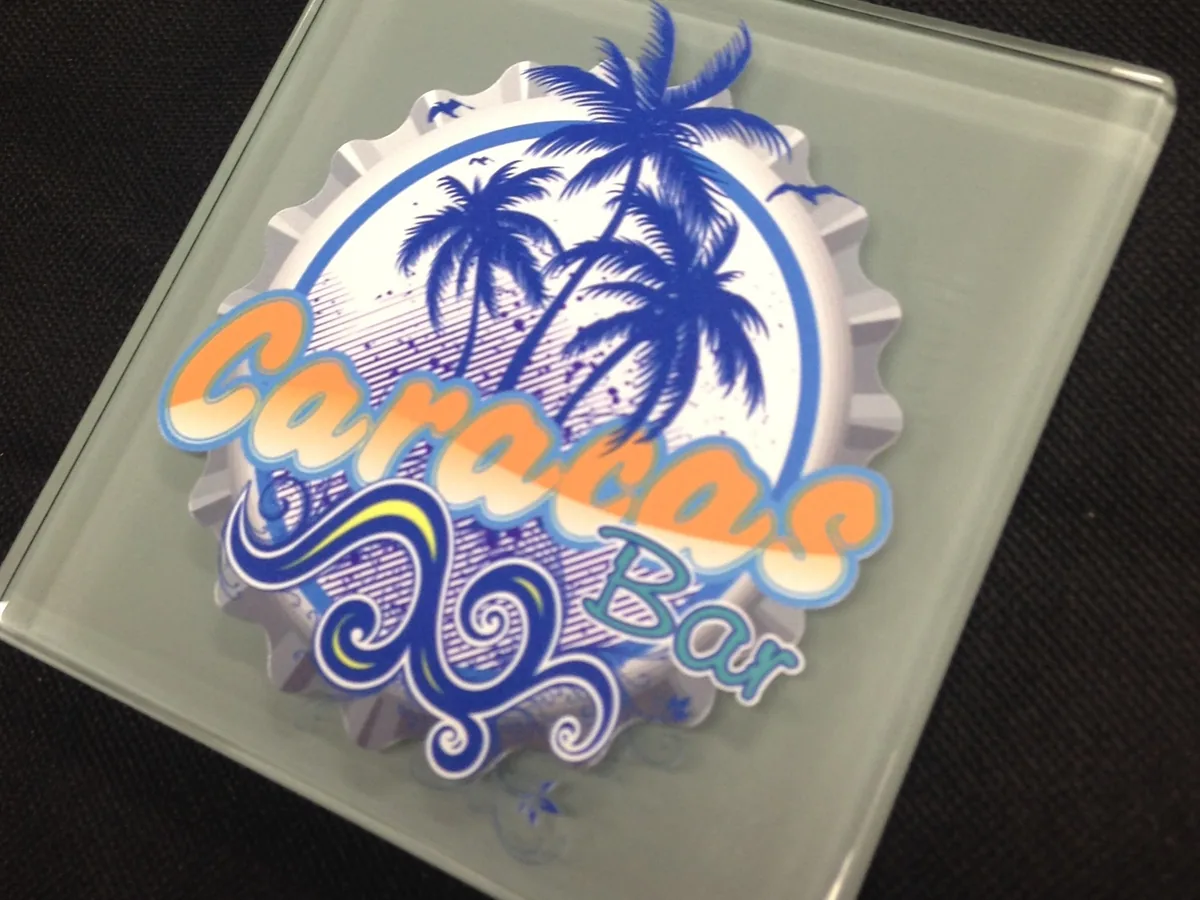
Glass and Tiles
Glass panels, ceramic and stone tiles, coasters and splashback samples in full colour.
View solution - Glass and TilesSolution
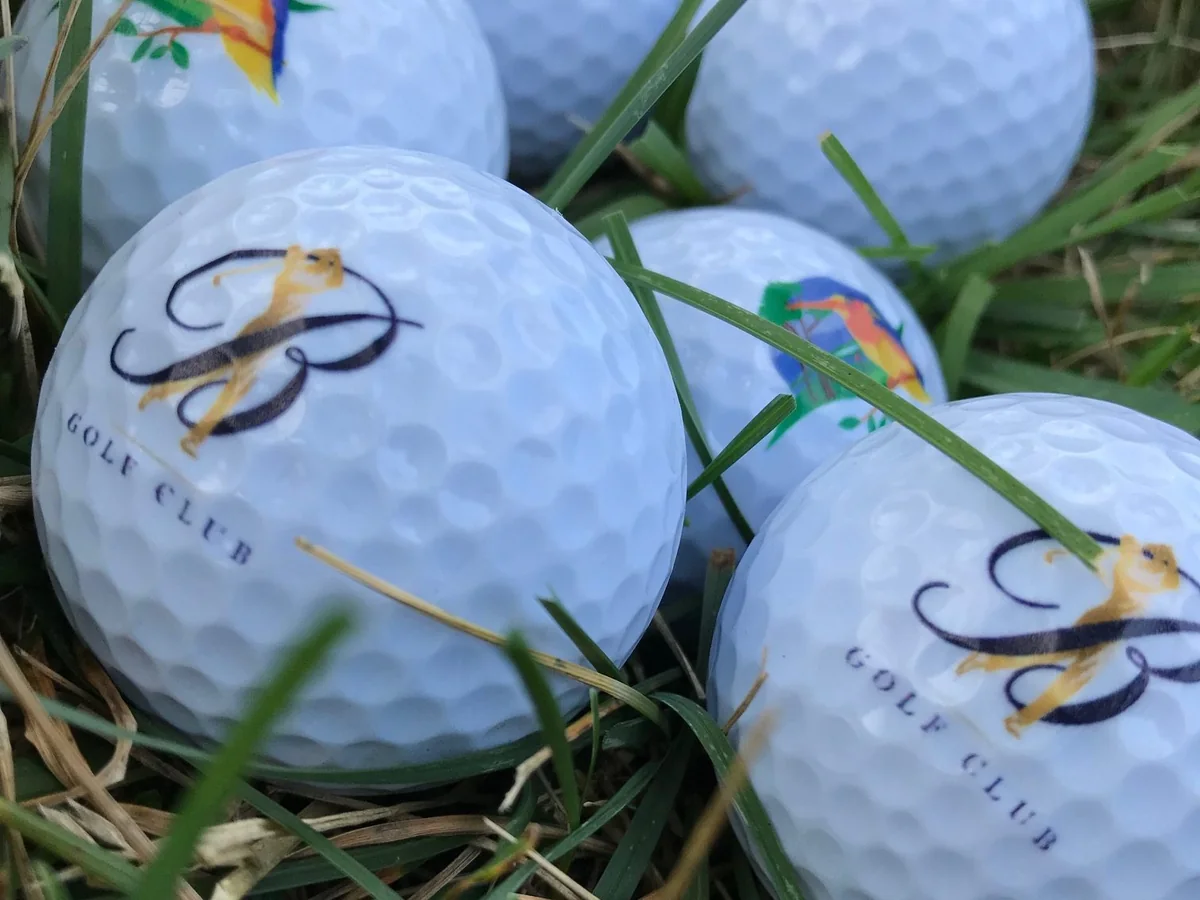
Golf Balls
Club logos, event branding and personalised messages printed in full colour on golf balls.
View solution - Golf BallsSolution
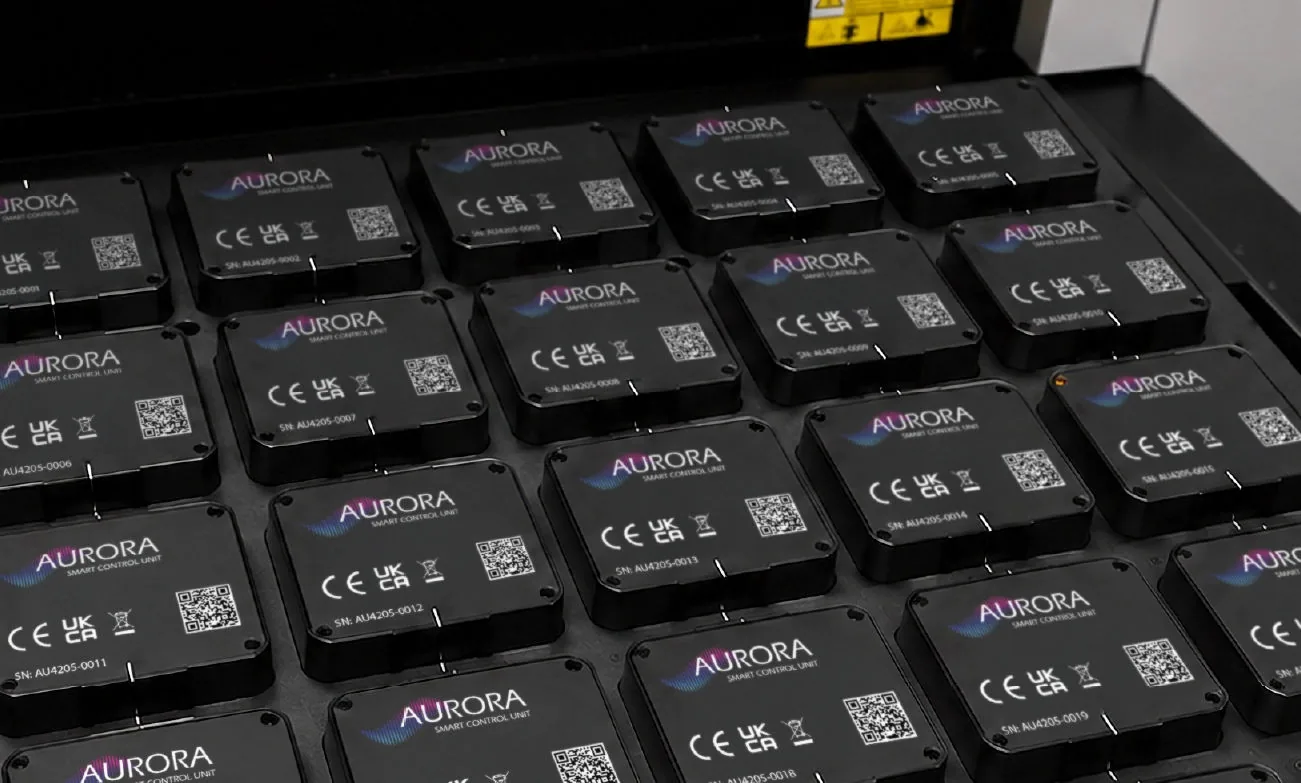
Industrial Labels and Part Marking
Control panels, dial faces, serial plates and parts printed directly with durable UV ink.
View solution - Industrial Labels and Part MarkingSolution
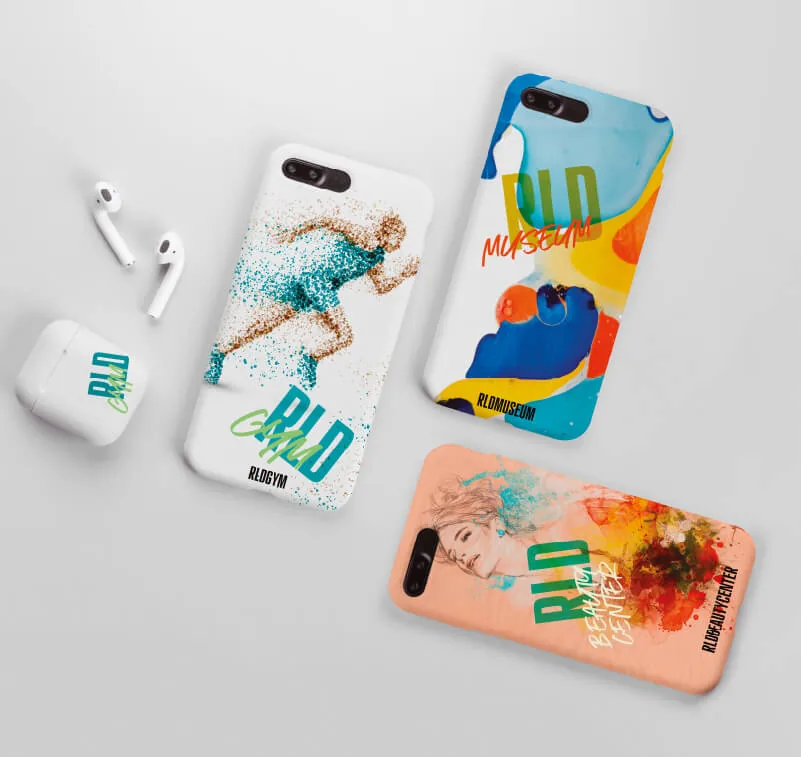
Promotional Products
Phone cases, luggage tags, pens, keyrings and giveaways decorated in short runs.
View solution - Promotional ProductsSolution
Signage
Office, wayfinding, retail and safety signs printed directly onto rigid panels, indoors and out.
View solution - SignageSolution
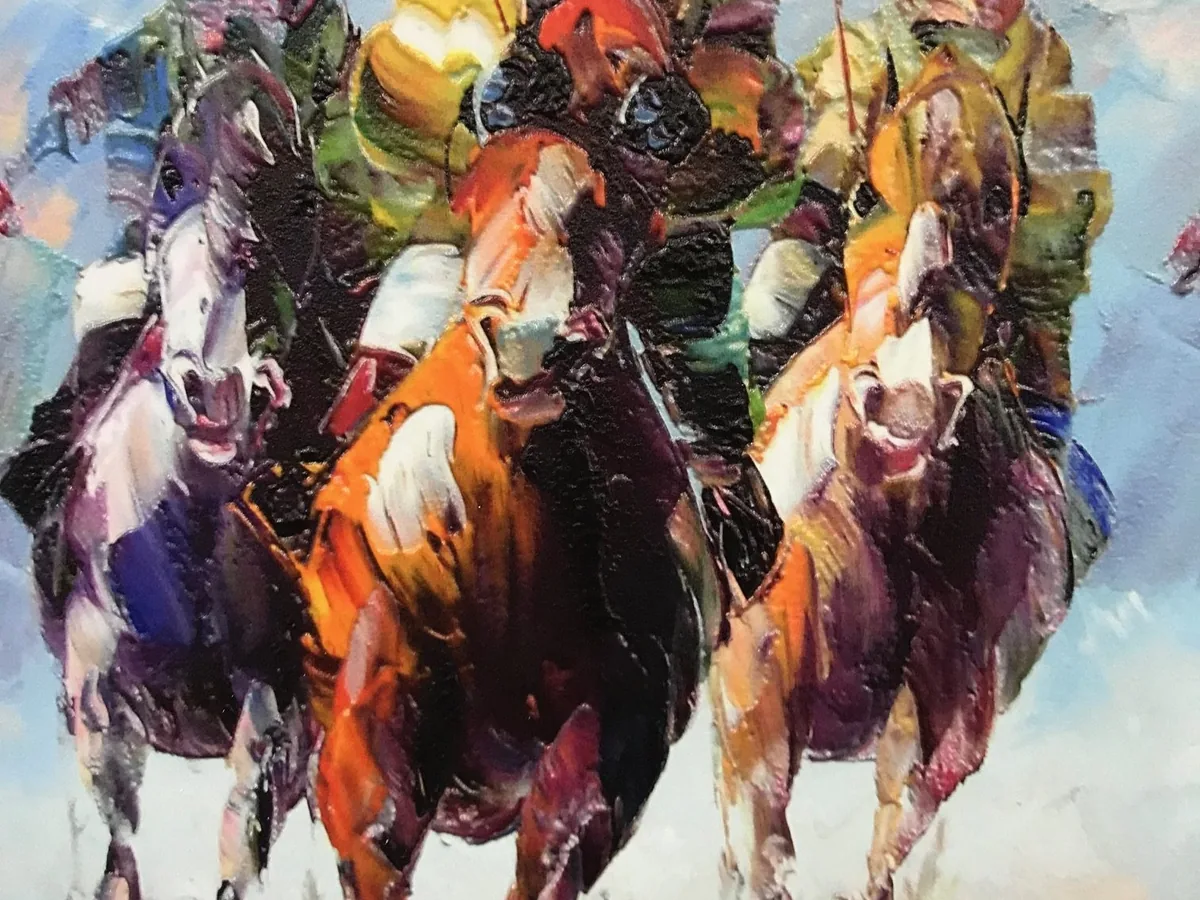
Textured and Raised Printing
Build up layers of ink for raised logos, tactile detail and canvas-like textures.
View solution - Textured and Raised PrintingSolution
Wood and Timber
Serving boards, coasters, wall art, toys and signs printed directly onto timber and MDF.
View solution - Wood and Timber
Thinking about Braille signage? Tell us what you want to print and how many, and we’ll recommend a printer and set-up.
Request a Quoteor call 07 3412 0285 · Contact us